Companies serving Culver City phase the work around occupants and keep records for managers and insurers. Call the number on this page to be connected with a local mold company in Culver City.
When tenants notice first
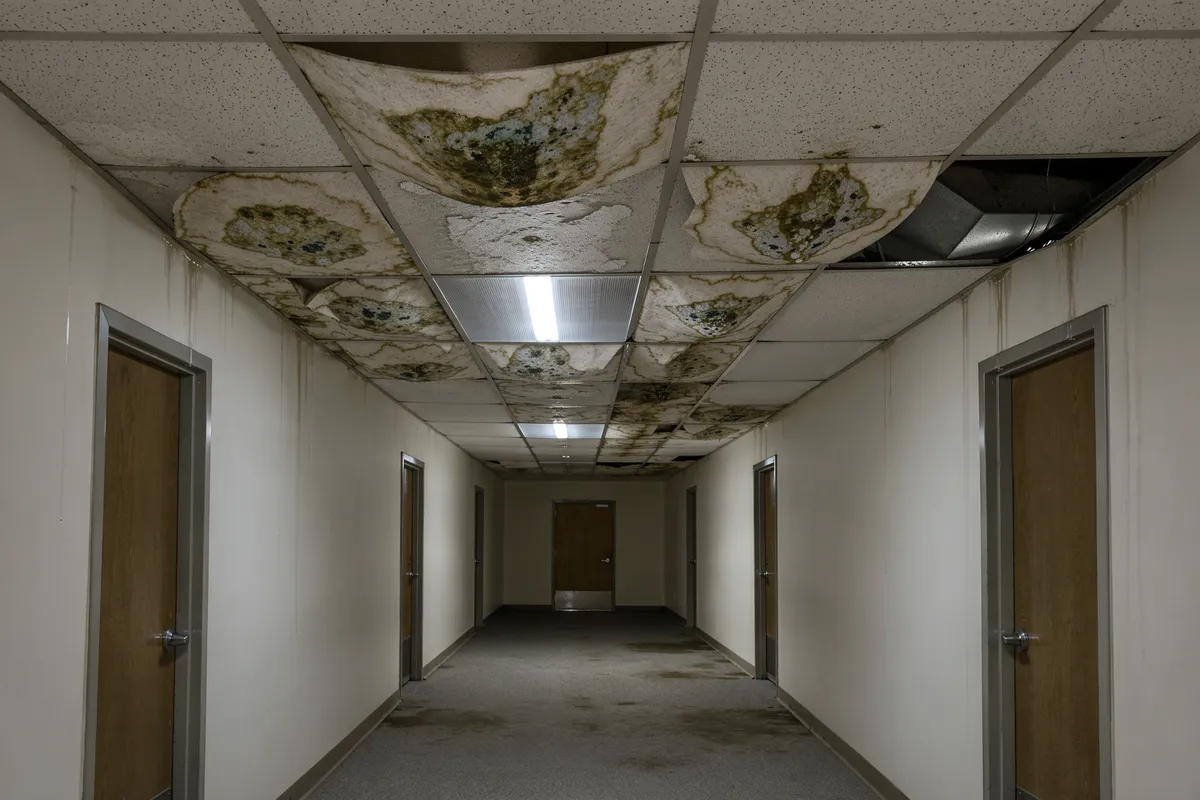
In leased space the first person to smell mold is often an employee or tenant, not the owner. Report it in writing with photos and a date, copy the property manager, and ask who handles repairs under your lease. That paper trail matters later for insurers and for any disagreement over responsibility. Keep copies of every email, since dates become important.
Tenant improvements gone wrong
Remodels sometimes bury a problem: new drywall over a damp wall, a sink added without a proper drain slope, or a floor laid over a slab that was still wet. Mold behind a fresh finish usually means the moisture was never addressed before the work began. Ask the contractor who did the remodel what was found behind the old wall.
Occupied versus vacant space
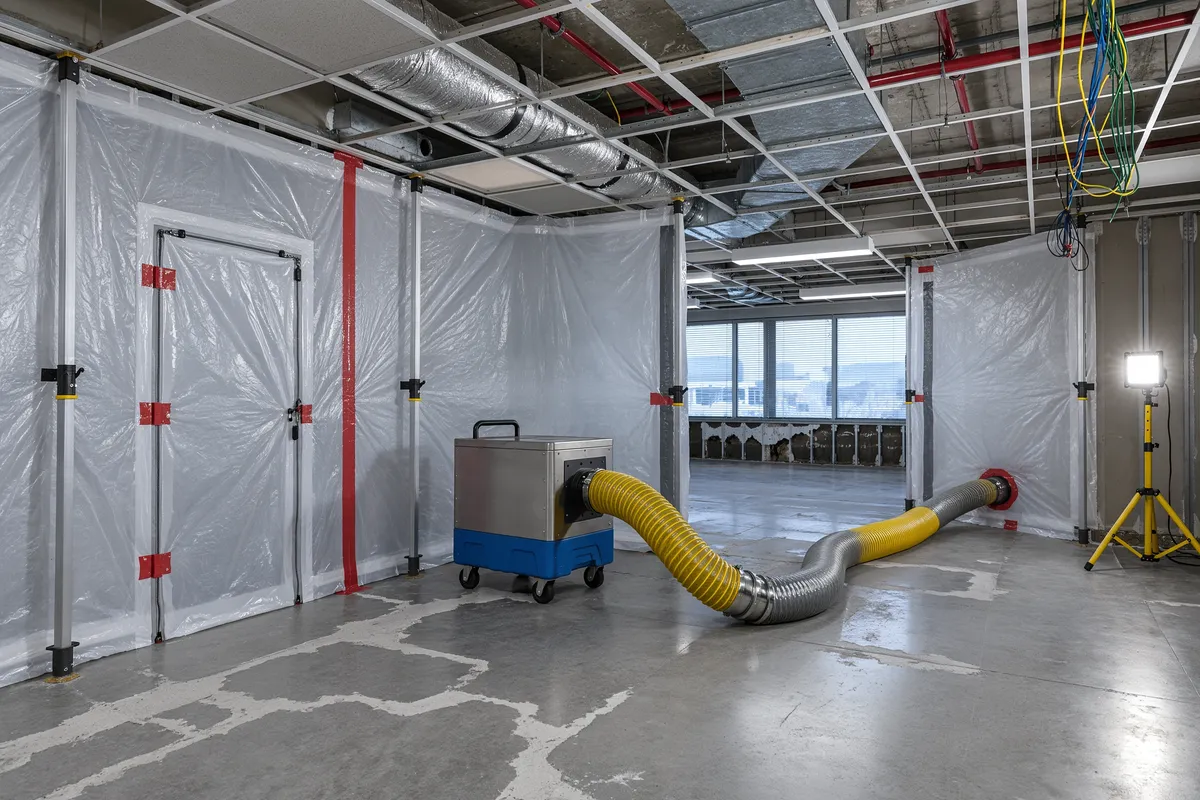
Work in a vacant suite can proceed straight through the day. Work in a building that stays open is phased, with barriers, negative air and night or weekend shifts. Those extra steps protect the people next door, and they also affect the schedule and total cost. Ask whether disposal and haul-away are in the number.
Who handles what in Culver City
The state of California doesn't license mold remediation as its own trade. The Contractors State License Board does license contractors, and any job priced at $1,000 or more (labor plus materials) calls for that license.
The Culver City Building Safety Division handles building permits here, so that's the place to check before walls, cabinets or flooring go back in.
Tenants in much of the county report mold and leaks in rentals to the Los Angeles County Department of Public Health; check with the city whether that covers your Culver City address.
Nearby, the same kind of help is available in Inglewood, Playa Vista and Venice.
Working with the property manager
One point of contact keeps things moving. Decide who approves changes, who gives access to ceilings and rooftops and who talks to tenants. Without that, small decisions pile up and the schedule slips. The company will usually propose a routine for updates once the work begins. Agree on how change orders are approved so surprises stay small.
When to call without delay
Call promptly if you see growth across a large area, a wet ceiling that keeps spreading, water in an AC plenum or mold after sewage or storm water. For fire, structural or electrical hazards, contact emergency services first, then arrange cleanup once the building is safe. Keep the building owner and the insurer informed as you go.
Commercial Mold Remediation questions in Culver City
What about stained ceiling tiles?
What records should an owner keep?
Does the cleanup involve our AC system?
Does bleach work for cleanup?
More mold services in Culver City
Commercial Mold Remediation nearby
Helpful guides
Sources
- Culver City Building Safety Division
- Los Angeles County Department of Public Health Environmental Health: housing complaints
- CSLB: What kind of contractor do you need?
- California Health and Safety Code 17920.3
- EPA: A Brief Guide to Mold, Moisture and Your Home
- California Department of Public Health: Mold
Last updated: