Water damage does not always show; insulation and subfloor can stay wet for weeks, so a company takes moisture readings first. Call the number on this page to be connected with a local mold company in Santa Monica.
Signs Mold Has Started
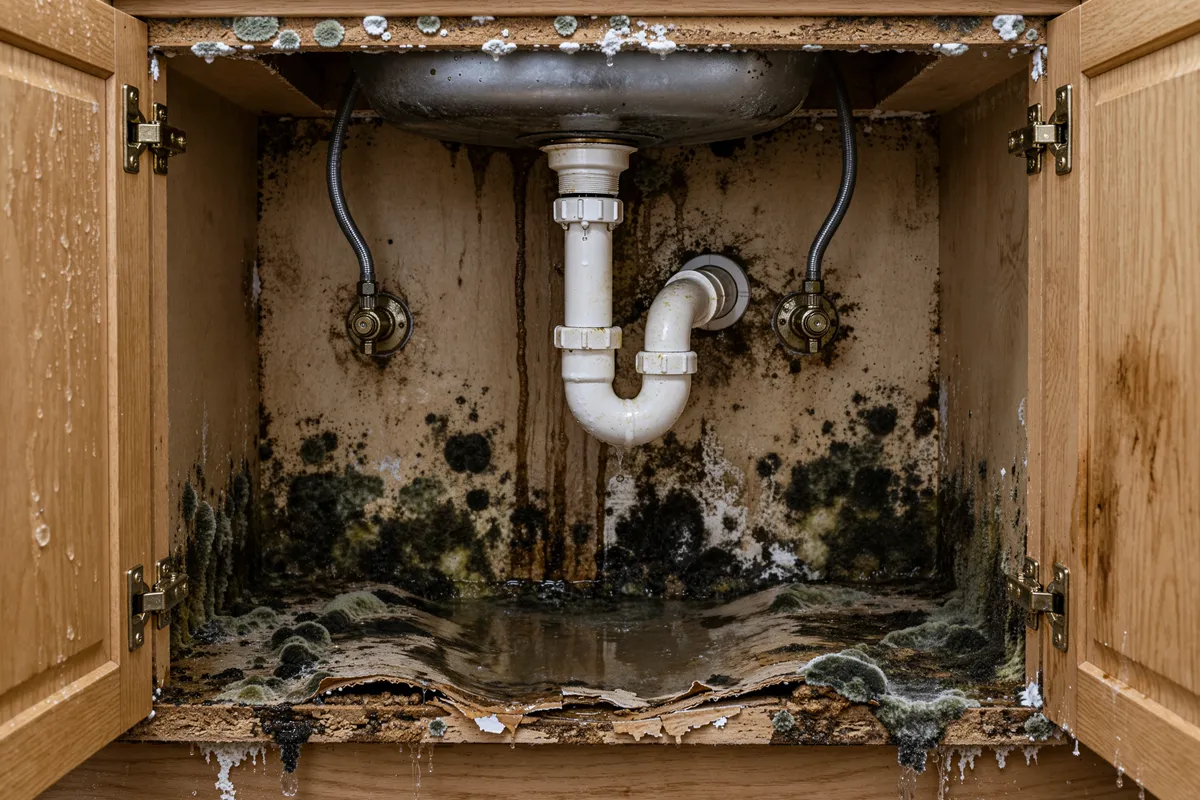
A musty smell that does not fade, dark speckles at the bottom of a wall, paint that bubbles, baseboards that swell and flooring that cups all suggest water is still in the structure. Do not just wipe the surface; the wet material behind it needs attention. Those symptoms usually show up days after the water, not the same afternoon.
Roof Leaks in Winter Storms
A few heavy storms a year are enough to find weaknesses in roof flashing, tile, skylights and chimney seals. The water drips into attic insulation and then into ceilings, often with no obvious stain at first. Dry the attic and ceiling, then fix the roof. Winter storms bring most of these calls once the first heavy rain hits.
Much of the housing in Santa Monica dates to the 1960s. Older galvanized or copper lines, aging roofs and original water heaters mean leaks are more likely to sneak up on owners.
Near the coast, damp air from the marine layer slows drying after any leak, so wet materials stay wet longer and a dehumidifier does more of the work.
What Drives the Cost
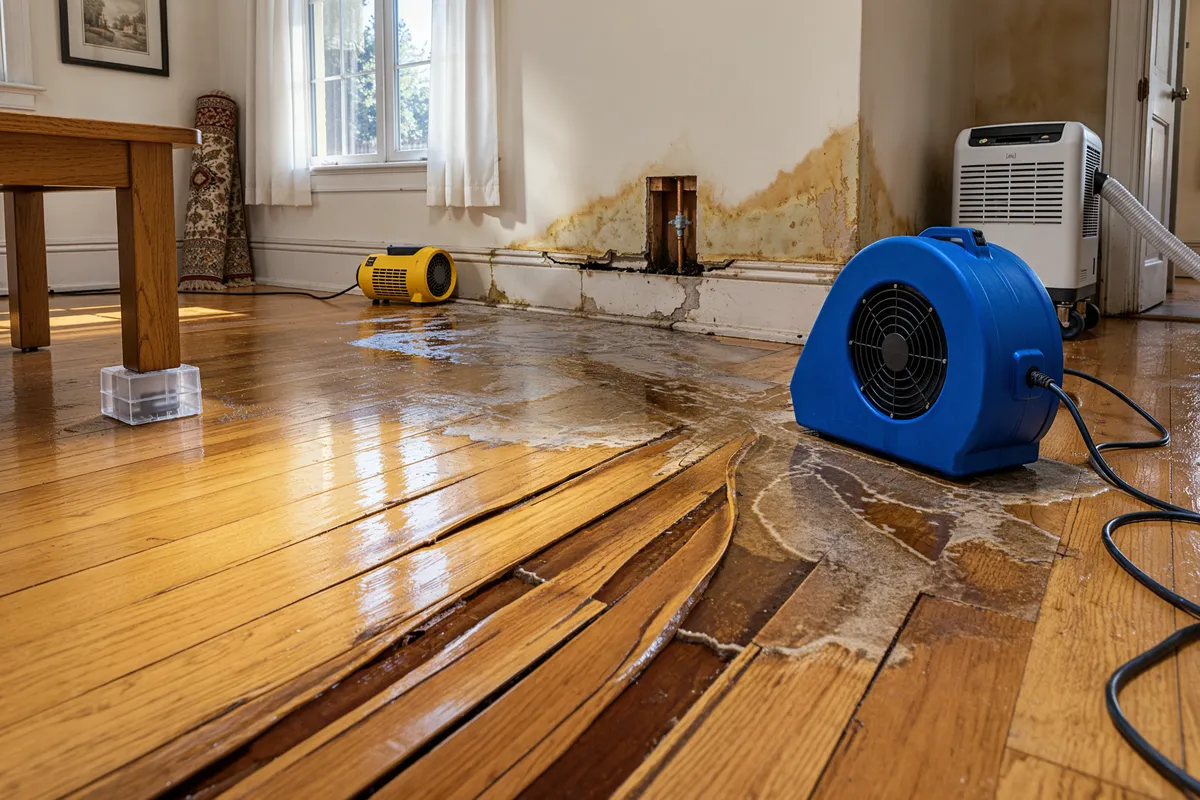
The size of the wet area, how long it stayed wet, the materials involved and how much needs to come out all shape the price. A caught-early leak may need only drying, while a long-hidden leak can mean removing drywall, insulation and flooring and then rebuilding. Cost swings with the answers to the questions above, not with the label on the job.
If Mold Is Found
- The area is sealed off with plastic sheeting.
- Air filtration runs with HEPA filters.
- Moldy porous material is cut out and bagged.
- Surfaces are HEPA vacuumed and wiped.
- Drying continues until readings are normal.
Permits, rentals and contractor checks in Santa Monica
There is no California mold license to look up. What you can check is the company's CSLB contractor license, which state rules require once a job reaches $1,000 in combined labor and materials.
Remediation itself is cleanup, but putting the room back together can be permitted work; ask the contractor whether the City of Santa Monica Building and Safety Division needs to be involved.
If a landlord won't deal with a leak or mold, the City of Santa Monica Building and Safety Division takes housing complaints for addresses in Santa Monica.
Companies that take calls here usually also work in Venice, Marina Del Rey and Playa Vista.
Do Not Delay Documentation
Photos of the leak, the damage and the equipment used, plus dates and invoices, help with claims and with landlord disputes. Renters should report the water in writing right away, because state housing law treats visible mold as a substandard condition. Insurance adjusters and landlords both respond well to dated photos.
Around Santa Monica
Calls come in from across Santa Monica, including around Downtown Santa Monica, Main Street, Montana Avenue.
71.2% of occupied housing units are renter-occupied; median year built 1967.
Leak & Water Damage Mold Removal questions in Santa Monica
How do I know if mold is behind a wall after a leak?
Will insurance pay for mold after a burst pipe?
How long does drying take?
How do I vet a company without a state mold license?
More mold services in Santa Monica
Leak & Water Damage Mold Removal nearby
Helpful guides
Sources
- City of Santa Monica Building and Safety Division
- City of Santa Monica Building and Safety Division: housing complaints
- CSLB: What kind of contractor do you need?
- California Health and Safety Code 17920.3
- EPA: A Brief Guide to Mold, Moisture and Your Home
- California Department of Public Health: Mold
- Santa Monica housing by year built
Last updated: