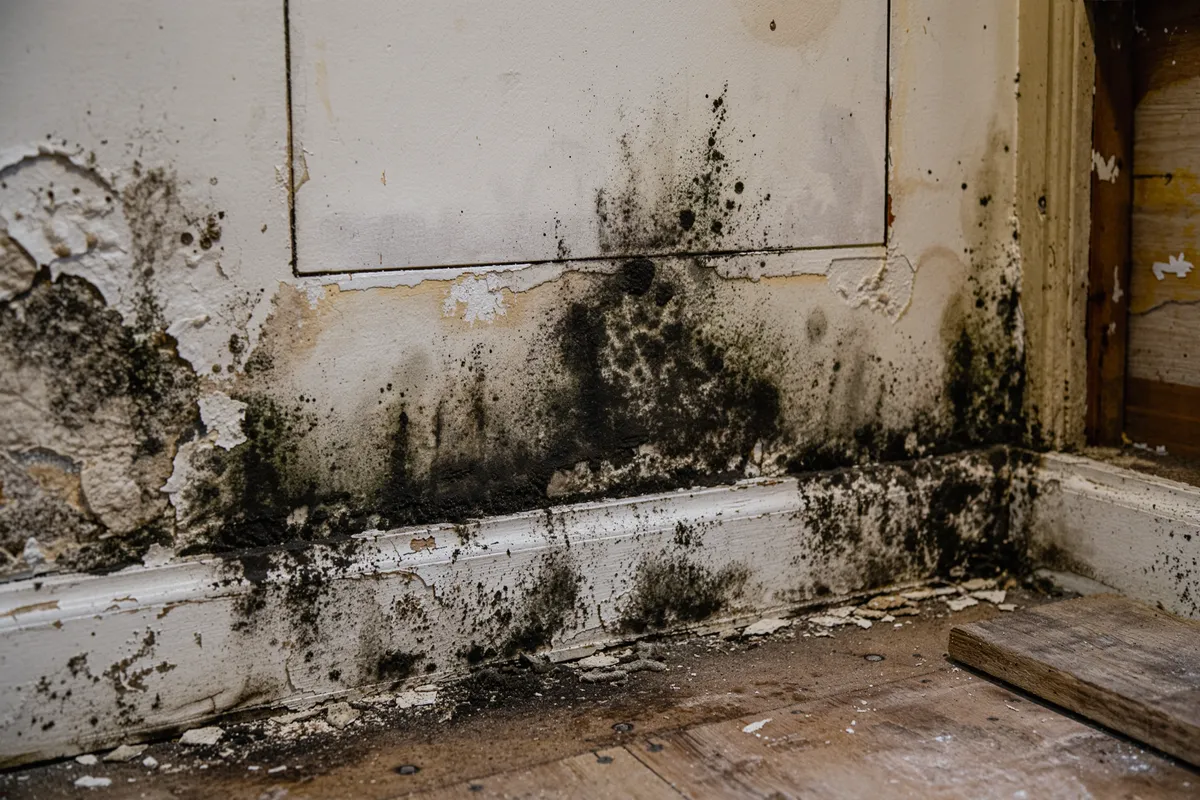
Black growth on drywall or ceiling paper means the material stayed damp; porous pieces that stay moldy generally come out. Call the number on this page to be connected with a local mold company in Topanga.
Signs the Problem Is Bigger Than the Patch
Peeling paint, bubbling drywall, a soft spot when you press a wall, or a smell that comes back a day after cleaning all suggest moisture is still feeding the growth. Wiping the surface only treats what you can see, so these signs are worth a call. Return visits within weeks usually mean the damp is still being fed.
Apartments and Shared Walls
In multi-unit buildings, the water may come from the unit above, a shared pipe or a roof deck. That affects who pays for repair and how containment is planned. Black growth near a plumbing wall is worth documenting with photos and dates before anything gets cleaned. Boxes of paper and clothing add food for growth right where air stops moving.
Close to the beach or harbor, morning fog settles on cool window frames and exterior walls. Closets and corners on the weather side are typical places for dark mold to start.
Homes on slopes often have walls pressed against soil and tricky drainage. After heavy rain, damp can move through lower walls and show up as dark mold along baseboards.
What Moves the Price
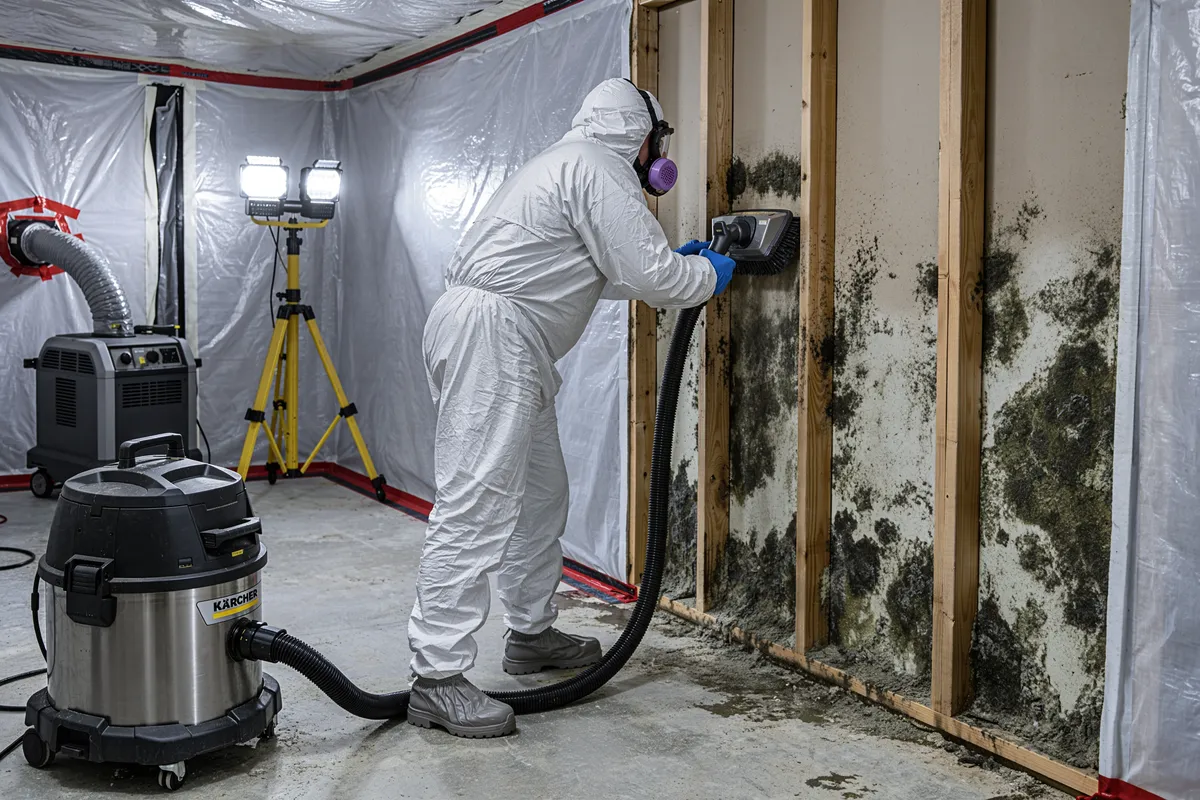
Black mold removal is priced by scope, not by color. The main drivers are the square footage affected, the materials involved, how hard the area is to reach, whether containment and air filtration are needed, and how much demolition and rebuilding the job includes. Scope, not shade, sets the number.
About Bleach and Sprays
A spray bottle of bleach seems like the obvious fix, yet the California Department of Public Health does not recommend bleach for mold cleanup. On porous surfaces it leaves the growth roots in place. Professionals physically remove the growth and dry the material, so you should hear that in the plan. Fumes and strong sprays in an occupied house are a poor sign.
Before work starts in Topanga
There is no California mold license to look up. What you can check is the company's CSLB contractor license, which state rules require once a job reaches $1,000 in combined labor and materials.
If the job grows into replacing drywall, cabinets or framing, ask whether the rebuild needs a permit from the Los Angeles County Building and Safety office.
Renting? California housing law lists visible mold growth among substandard conditions, and the Los Angeles County Department of Public Health handles substandard-housing complaints for Topanga addresses.
Nearby, the same kind of help is available in Canoga Park, Pacific Palisades and Calabasas.
After Removal, Stay Alert
For a few months after a job, watch the repaired area for new staining, smell or paint bubbling and keep an eye on humidity. Early signs of a return usually mean the moisture is not fully solved, and the company or a plumber should look again. A follow-up photo on the same day each month makes changes obvious.
Black Mold Removal questions in Topanga
Can you tell the type of mold by color?
Can I clean black mold myself?
How do I choose a company without a state mold license?
Does rebuilding after removal need a permit?
More mold services in Topanga
Black Mold Removal nearby
Helpful guides
Sources
- Los Angeles County Public Works Building and Safety
- Los Angeles County Department of Public Health Environmental Health: housing complaints
- CSLB: What kind of contractor do you need?
- California Health and Safety Code 17920.3
- EPA: A Brief Guide to Mold, Moisture and Your Home
- California Department of Public Health: Mold
Last updated: