Walls hide mold because drywall paper, insulation and the backs of cabinets stay damp long after a leak stops. Independent local companies map the wet area first, so only the affected section comes out. Call the number on this page to be connected with a local mold company in Manhattan Beach.
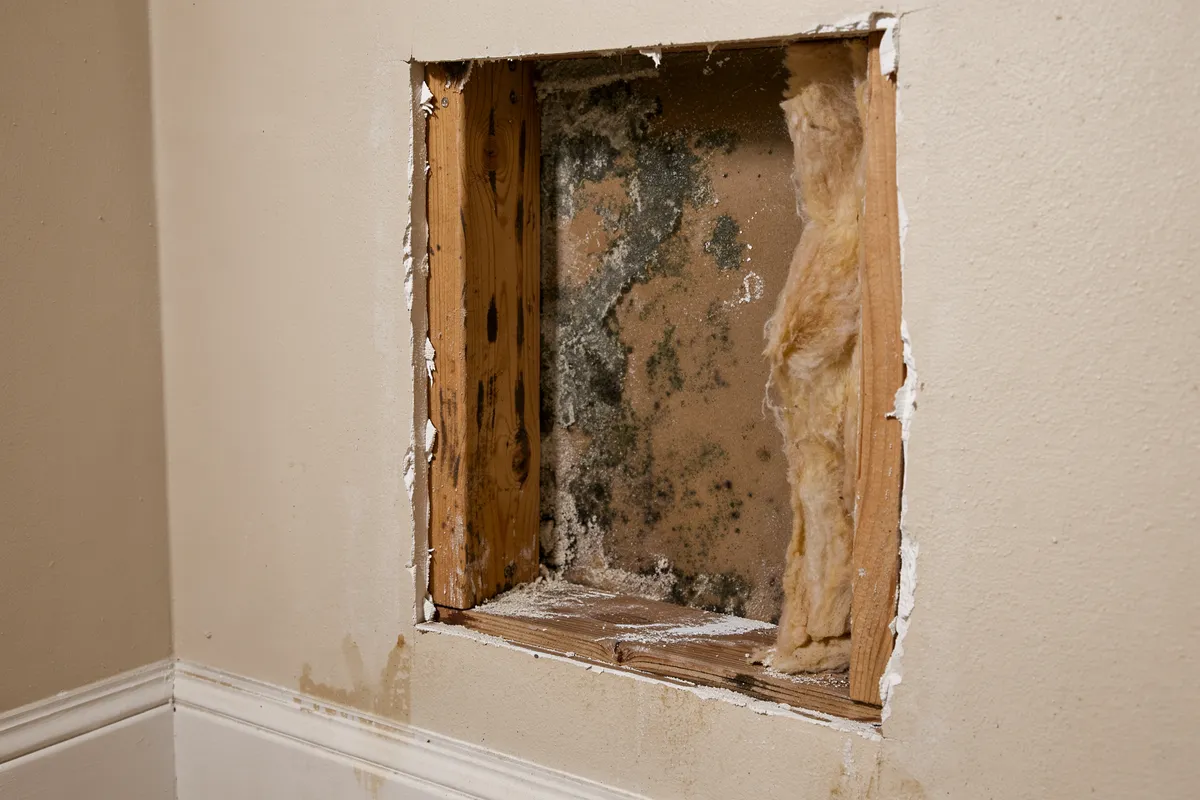
Early warnings in kitchens and baths
Walls next to sinks, tubs, dishwashers and washing machine boxes take the most hidden water. Look for cracked caulk, tile that sounds hollow, a cabinet back that has swelled, or a faint stain low on the wall. Those details often show up before any visible mold does.
AC and ductwork near walls
Air handlers, condensate lines and ducts that pass through wall chases can sweat or drip. In warm inland areas, a clogged condensate line or an uninsulated duct is enough to dampen the nearby wall without any plumbing failure at all. Sprinkler heads and downspouts are a frequent cause.
Marine layer fog and damp ocean air near Manhattan Beach can keep exterior walls cool and clammy, which makes any hidden leak harder to dry.
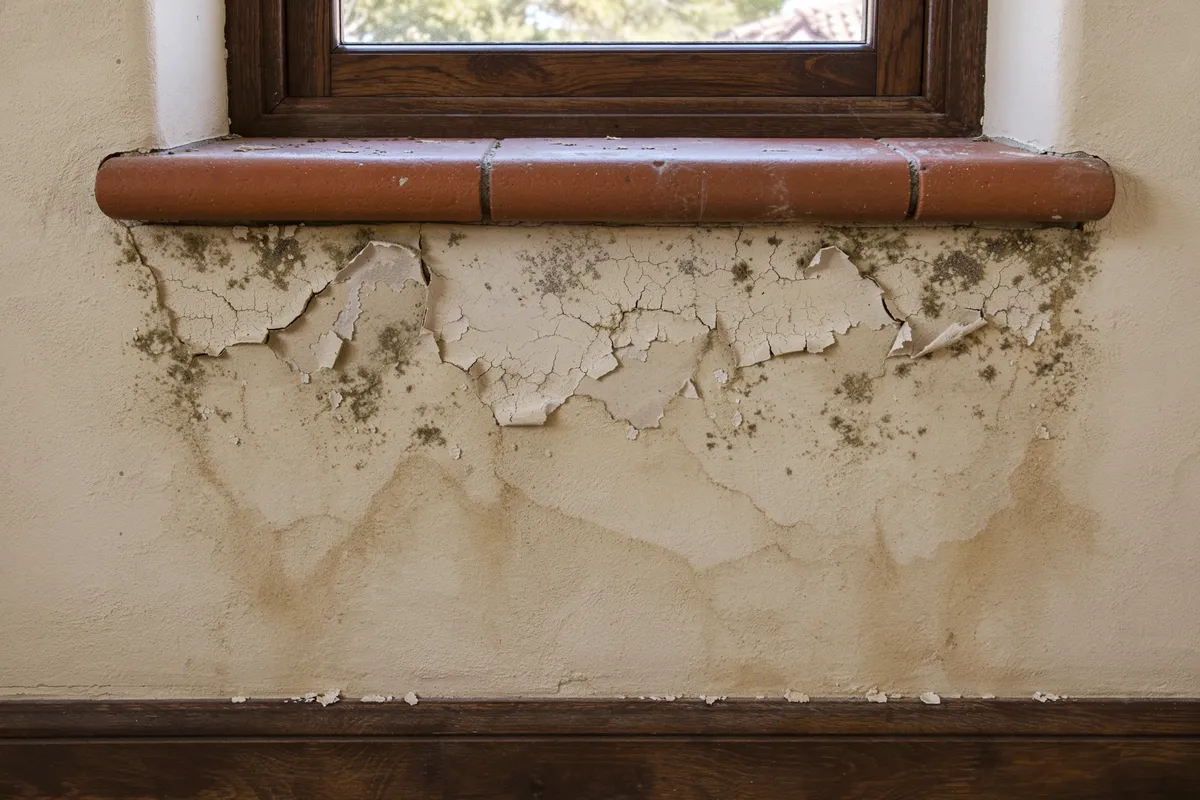
Access and finishes
Tile, stone, built-in cabinets and plaster take longer to open and repair than plain drywall. Walls behind a kitchen run or a tub enclosure add labor for protecting nearby finishes. Those details move the figure more than most people expect. A site visit usually settles how large the repair will be.
Local details for Manhattan Beach
The state of California doesn't license mold remediation as its own trade. The Contractors State License Board does license contractors, and any job priced at $1,000 or more (labor plus materials) calls for that license.
The City of Manhattan Beach Building and Safety handles building permits here, so that's the place to check before walls, cabinets or flooring go back in.
Renting? The Los Angeles County Department of Public Health takes housing complaints, including mold, in cities that have adopted the County Health Code; the city can confirm who handles Manhattan Beach addresses.
Companies that take calls here usually also work in Redondo Beach, Hermosa Beach and El Segundo.
Containment while the wall is open
Opening a wall can stir up dust and spores. A careful crew seals the doorway with plastic, runs air filtration, and may keep the room under negative pressure. Ask how they plan to protect the rest of the house, especially if the HVAC is running. Keep the wall open until you have reviewed the findings.
Keeping walls dry afterward
Check caulk around tubs and windows each season, run the bathroom fan after showers, and keep furniture a few inches off cold exterior walls. Humidity indoors should stay below about 60 percent, and 30 to 50 percent is better according to EPA. Prompt, written notice also makes any later dispute easier to resolve.
Mold in Walls questions in Manhattan Beach
Can I just paint over mold on a wall?
Should I test the air in the room?
Can I clean a small spot of mold on a wall myself?
Does a company that finds mold have to hold a special license?
More mold services in Manhattan Beach
Mold in Walls nearby
Helpful guides
Sources
- City of Manhattan Beach Building and Safety
- Los Angeles County Department of Public Health Environmental Health: housing complaints
- CSLB: What kind of contractor do you need?
- California Health and Safety Code 17920.3
- EPA: A Brief Guide to Mold, Moisture and Your Home
- California Department of Public Health: Mold
Last updated: