Who arranges and pays for commercial cleanup often depends on the lease or association documents, so read those first. Call the number on this page to be connected with a local mold company in Rowland Heights.
Schools, churches and clinics
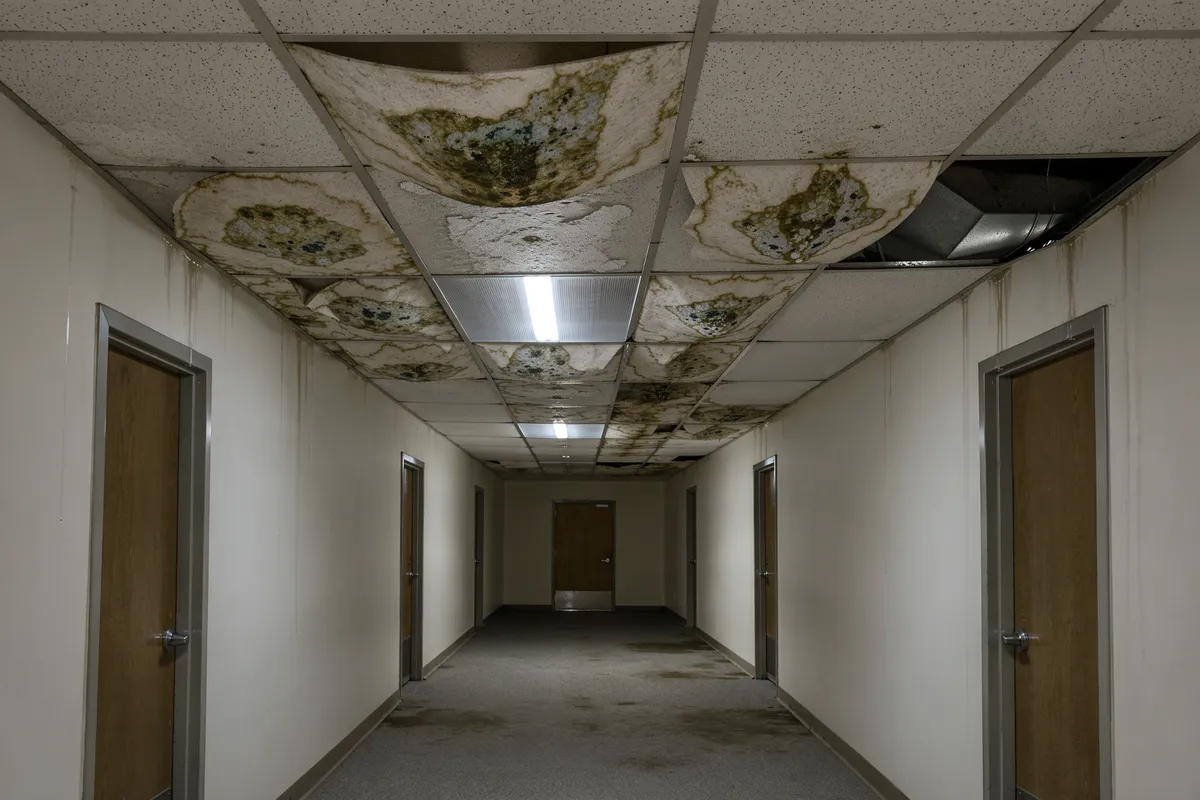
Buildings that are empty part of the week, such as classrooms, sanctuaries and exam rooms, can get stale and damp when air handling is reduced. If you see staining, swollen trim or smell mustiness in these spaces, check for leaks first and plan any cleanup around the calendar. Ask the person who opens the building which rooms smell worst first.
Plumbing risers and shared walls
In multistory buildings, one failed fitting on a riser can wet several floors. Water travels down chases and along the tops of walls, so the damp area can be far from the leak. Tracing it often takes moisture meters and a few small openings rather than a single obvious hole. Roof age and the last time drains were cleared are useful facts to share.
Occupied versus vacant space
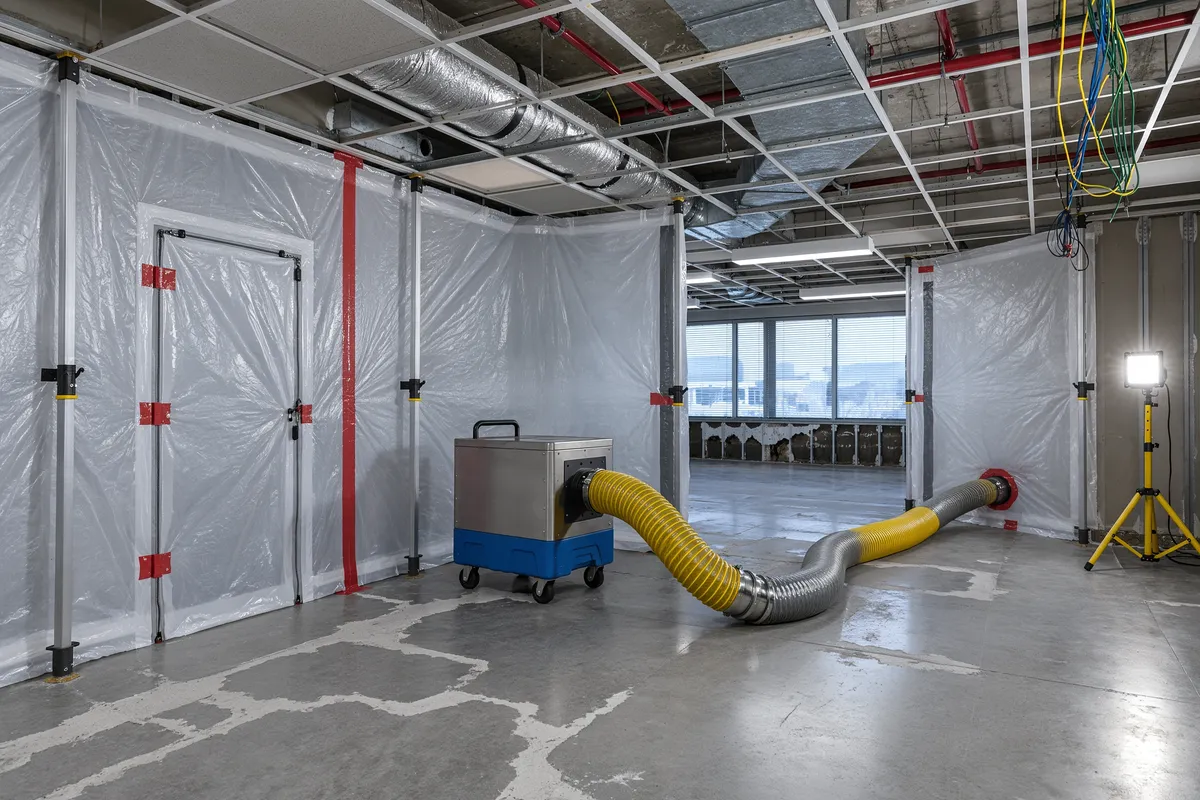
Work in a vacant suite can proceed straight through the day. Work in a building that stays open is phased, with barriers, negative air and night or weekend shifts. Those extra steps protect the people next door, and they also affect the schedule and total cost. Ask whether disposal and haul-away are in the number.
Notices to tenants and staff
People in the building deserve a simple explanation: where the work is, how long it is expected to last and who to call with concerns. If anyone has health questions, suggest they speak with their doctor. Property managers often post a brief notice before work starts. Give the company the number of someone who can answer quickly.
If water is still coming in
Stop the source if it is safe to do so, move stock and equipment away from wet areas and start drying. EPA advises drying wet materials within 24 to 48 hours. Once that window passes, growth becomes more likely, so call a company and mention exactly when the water event began. Photograph everything before moving stock so insurers see the original condition.
Who handles what in Rowland Heights
There is no California mold license to look up. What you can check is the company's CSLB contractor license, which state rules require once a job reaches $1,000 in combined labor and materials.
If the job grows into replacing drywall, cabinets or framing, ask whether the rebuild needs a permit from the Los Angeles County Building and Safety office.
For tenants, the Los Angeles County Department of Public Health is the office that takes complaints about substandard rental conditions here; state law counts visible mold growth as one of them.
Calls from Rowland Heights are often matched with companies that also cover La Puente, La Habra and Walnut.
Commercial Mold Remediation questions in Rowland Heights
What records should an owner keep?
Will insurance cover commercial mold?
What about mold in an apartment building?
What if a company only treats the surface?
More mold services in Rowland Heights
Commercial Mold Remediation nearby
Helpful guides
Sources
- Los Angeles County Public Works Building and Safety
- Los Angeles County Department of Public Health Environmental Health: housing complaints
- CSLB: What kind of contractor do you need?
- California Health and Safety Code 17920.3
- EPA: A Brief Guide to Mold, Moisture and Your Home
- California Department of Public Health: Mold
Last updated: