This page is a referral service, not a mold company; each independent company near La Habra explains its own scope and pricing. Call the number on this page to be connected with a local mold company in La Habra.
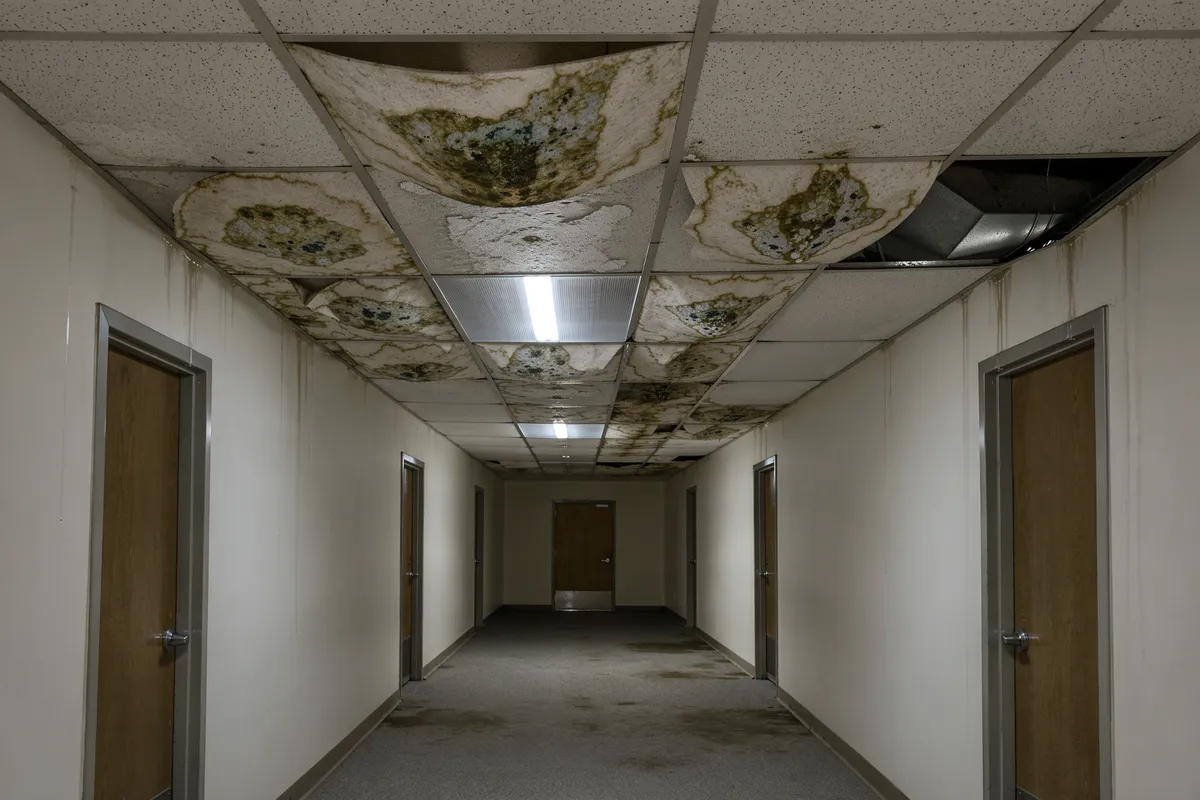
Restaurants and kitchens
Dish pits, walk-in coolers, grease-trap closets and the walls behind cooking lines stay wet for long stretches. Dark growth on a cove base, a damp smell near the floor drain or soft drywall behind a sink are worth chasing quickly, because food-service spaces also answer to health inspectors. Note whether the smell is strongest when the kitchen exhaust is off.
Tenant improvements gone wrong
Remodels sometimes bury a problem: new drywall over a damp wall, a sink added without a proper drain slope, or a floor laid over a slab that was still wet. Mold behind a fresh finish usually means the moisture was never addressed before the work began. Ask the contractor who did the remodel what was found behind the old wall.
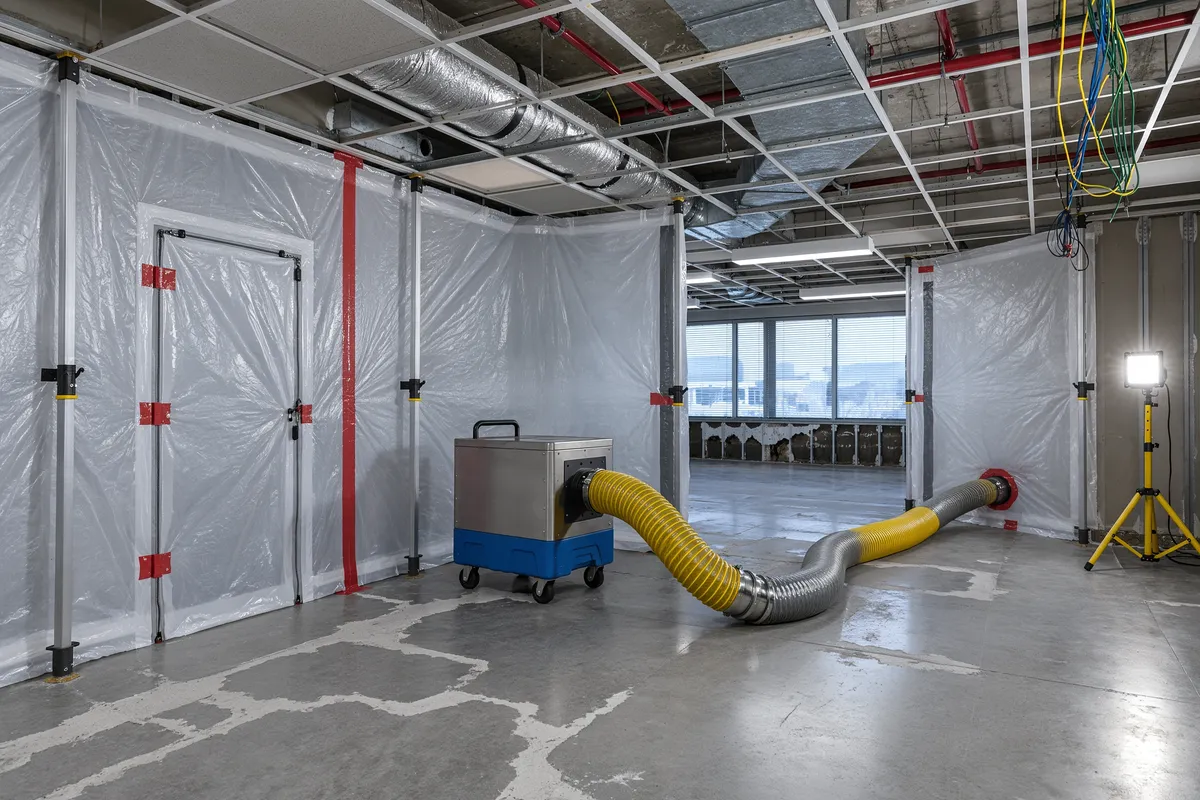
Rebuild is a separate line
Many remediation scopes end once the area is clean and dry; new drywall, ceiling grid, paint and flooring come afterward, often from a different trade. Make sure each quote says whether rebuild is included, so you can compare equal things and budget for the whole job. Ask who will handle ceiling grid, paint and flooring afterward.
Before work starts in La Habra
No state agency here issues mold-specific credentials. Hiring for a bigger job? Look up the contractor's license number with the Contractors State License Board; jobs at or above $1,000 require one.
Rebuild work after the mold comes out, such as new drywall or framing, may need a permit; the City of La Habra Building and Safety Division is the office for La Habra addresses.
If you rent, California housing law treats visible mold growth as a substandard condition, and local code enforcement can explain how complaints are handled.
Calls from La Habra are often matched with companies that also cover Whittier, Rowland Heights and La Mirada.
Questions to ask before you sign
- Who writes the scope and who verifies the result?
- How will occupants be protected during work?
- What happens to HVAC and fire-alarm zones?
- How is waste handled and documented?
Clear answers matter more than polished brochures. Ask for answers in writing so they can go to the file.
Humidity and ventilation
EPA suggests keeping indoor humidity below about 60 percent, with 30 to 50 percent a good target. Restrooms, kitchens and storage rooms need working exhaust, and cooling equipment should be sized and maintained so it removes moisture instead of simply chilling the air. Buy a simple humidity meter, since it costs little and tells you a lot.
Commercial Mold Remediation questions in La Habra
Who is responsible in a leased commercial space?
Can a business stay open during cleanup?
What about stained ceiling tiles?
Can staff clean a small area?
More mold services in La Habra
Commercial Mold Remediation nearby
Helpful guides
Sources
Last updated: