Mold testing collects air, surface or bulk samples that a laboratory counts and identifies. It is a snapshot of one place on one day. Call the number on this page to be connected with a local mold company in San Fernando.
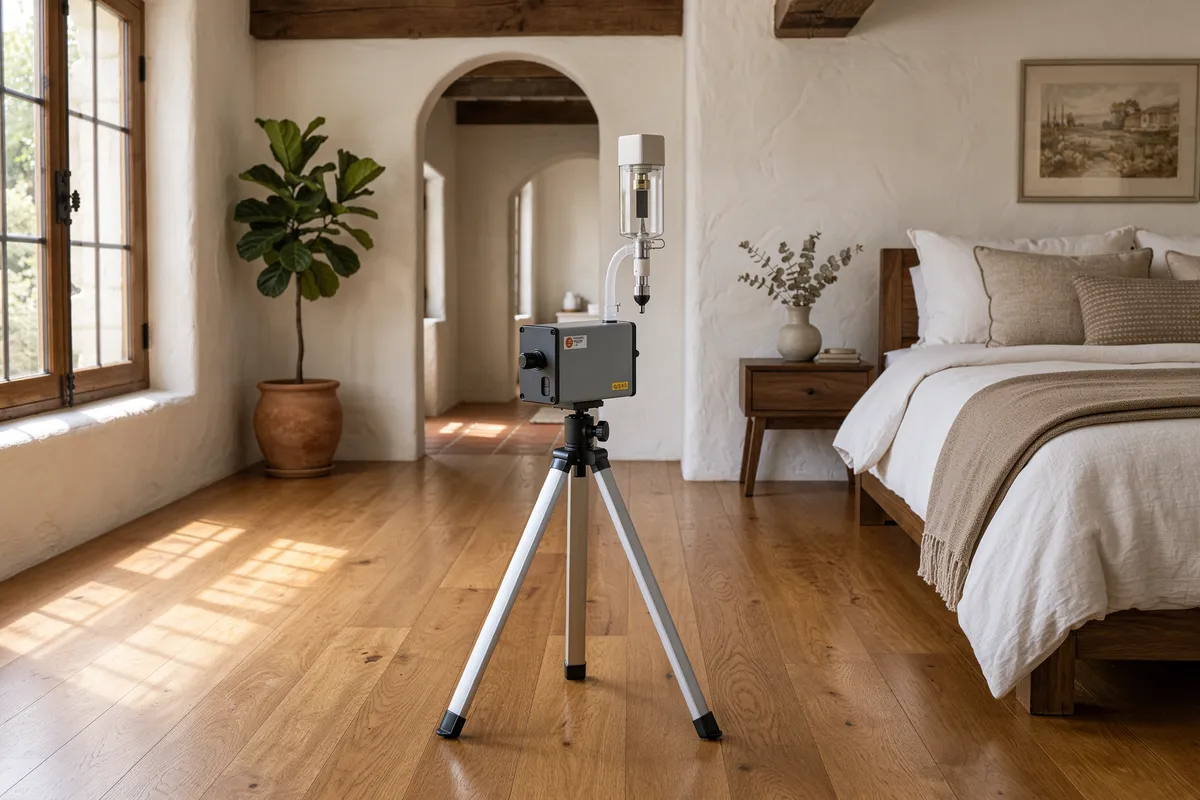
Testing vs looking
- Inspection: visual survey plus moisture readings
- Surface sample: confirms what a visible spot is
- Air sample: compares indoor to outdoor spores
- Bulk sample: analyzes a piece of material
Each of these has a different purpose, and the right choice depends on the question you are asking.
When testing is not the first step
If the problem is plain to see, such as a stained ceiling under a known leak, spend the money on repair and removal first. Sampling afterward, if needed, tells you something more useful than it would before work starts. Once the water source is fixed and the area dried, a check can be done to confirm results.
With AC running for months, a clogged drain pan can feed growth near the air handler, and a swab or air sample there can document it.
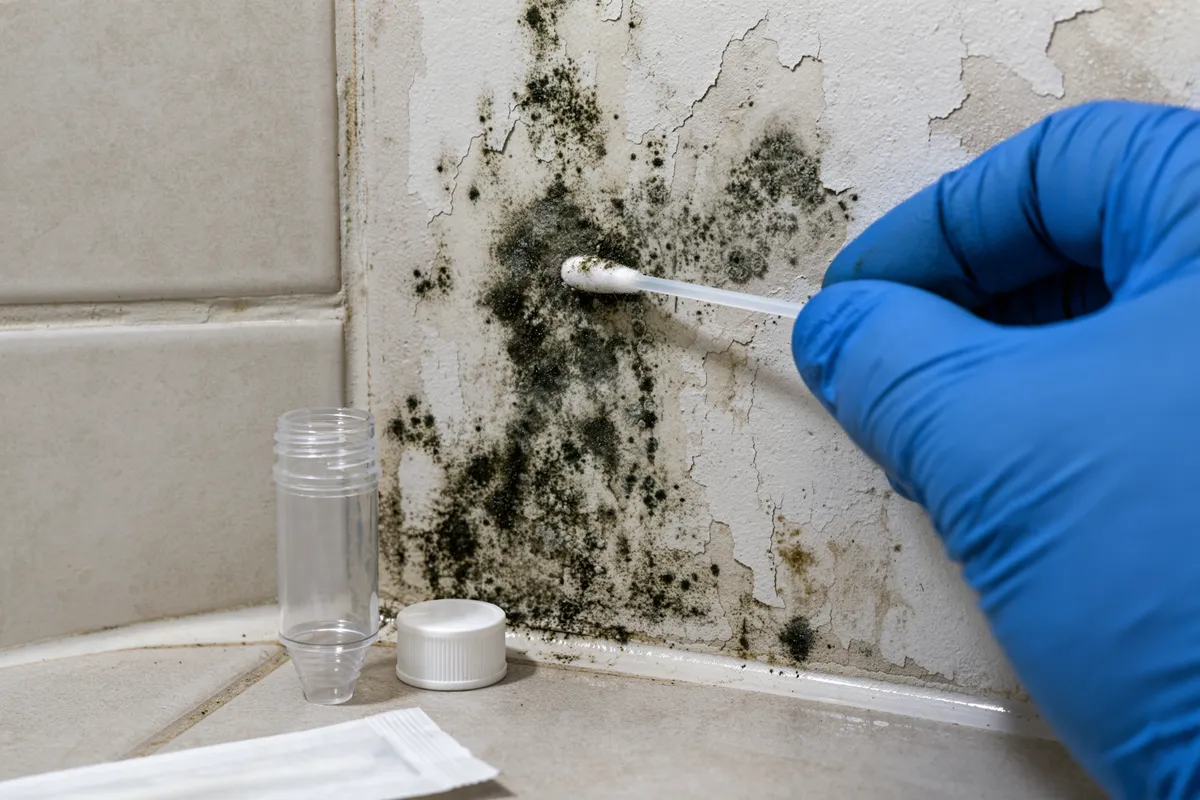
Bulk samples from materials
When a piece of drywall, insulation or carpet is suspect, a small cutting goes to the lab. This approach shows what is actually growing in the material and can help decide whether it should be removed or can be cleaned. Cutting the sample is quick, and the patch is then repaired or covered after the visit.
Separate the sampler from the seller
A company that also sells removal may be tempted to find a problem. Many owners prefer to use an independent sampler, especially for clearance. Ask how the company manages that conflict before you sign the agreement. Some owners hire one company for sampling and a different one for cleanup, for that reason.
Take the results to the right person
Share the report with your remediation company, your landlord or property manager, and your insurer if relevant. A good company will explain how the findings affect scope and sequence of work, and will not rely on the numbers alone. That keeps repairs, scheduling and billing tied to the same facts.
Useful local contacts for San Fernando
California has no separate state license for mold assessors or mold remediators, so the useful check is the contractor license: the Contractors State License Board (CSLB) requires one for jobs of $1,000 or more in labor and materials, and its online lookup shows the status.
The local building department handles building permits here, so that's the place to check before walls, cabinets or flooring go back in.
Tenants in much of the county report mold and leaks in rentals to the Los Angeles County Department of Public Health; check with the city whether that covers your San Fernando address.
Nearby, the same kind of help is available in Pacoima, Mission Hills and Granada Hills.
Mold Testing questions in San Fernando
Testing or inspection first?
Does CDPH recommend testing?
Can a home kit do it?
How do I prepare?
More mold services in San Fernando
Mold Testing nearby
Helpful guides
Sources
Last updated: