An inspection looks at the building, while testing collects samples, and CDPH does not generally recommend sampling for mold. Call the number on this page to be connected with a local mold company in Sun Valley.
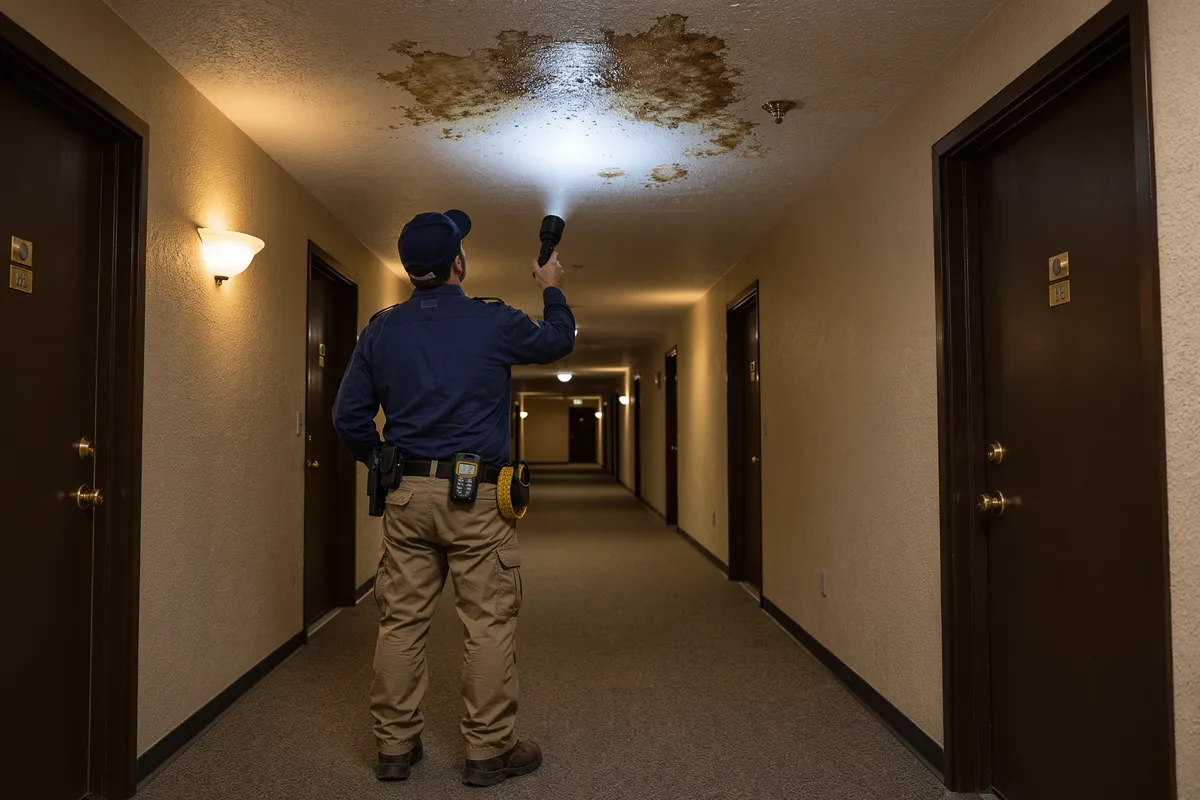
Considering a home purchase?
Buyers sometimes ask for an inspection when a house shows old stains, fresh paint in odd places or a closed-up crawl space. A report gives you something concrete to bring to negotiations or to a general home inspector for follow-up. Sellers can use a clean report in the same way, to show a house has been looked after.
Attics, crawl spaces and mechanical rooms
Hidden spaces usually hold the clues. The inspector looks at roof decking, insulation, ducts, air handlers, water heaters and raised-foundation framing. These are the places where condensation, slow drips and poor ventilation tend to build up unnoticed. Notes on air flow and humidity in each space are usually included.
In valley neighborhoods, attic temperatures swing widely, and condensation on ducts or roof decking is a frequent finding during inspections.
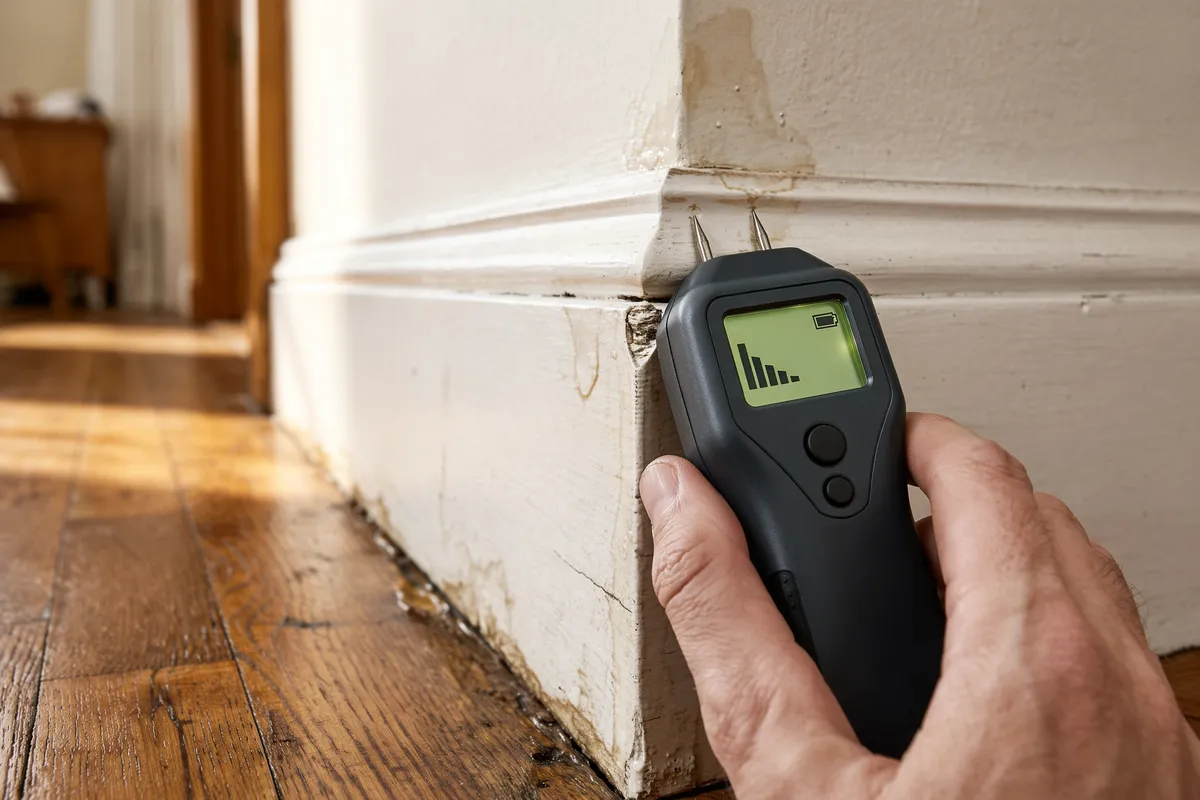
Inspection first usually saves money
Knowing the source before hiring a crew stops you from paying to remove material that was never affected, or paying twice because the leak was never repaired. The report becomes a scope you can use to compare removal quotes. The cost of deeper imaging is often less than the cost of opening the wrong wall.
Questions to ask the inspector
What training does the inspector have? Who does the work at the property? Will you get photos and readings? Will the report name a likely source? Can it be shared with a remediator, insurer or buyer? Clear answers up front prevent confusion later. Answers that are vague or defensive are worth noting before you hire anyone.
Walk the house each season
Look under sinks, around the water heater, along baseboards and at attic access panels. Check window sills on cool mornings for condensation. Small changes in smell, color or texture often show up before damage becomes obvious. Making notes with dates gives the inspector a helpful timeline on the next visit.
Who handles what in Sun Valley
Because California doesn't certify mold remediators as such, ask for the company's Contractors State License Board number and look it up on the CSLB site before anyone opens a wall.
Remediation itself is cleanup, but putting the room back together can be permitted work; ask the contractor whether the Los Angeles Department of Building and Safety needs to be involved.
For tenants, the Los Angeles Housing Department is the office that takes complaints about substandard rental conditions here; state law counts visible mold growth as one of them.
Companies that take calls here usually also work in Burbank, Sunland and Pacoima.
Mold Inspection questions in Sun Valley
What does an inspector look for?
Should inspector and remediator differ?
Can it tell me if my home is safe?
Who handles mold in a Sun Valley rental?
More mold services in Sun Valley
Mold Inspection nearby
Helpful guides
Sources
Last updated: