In Southern California, wall mold most often follows a plumbing leak, a failed tub or shower surround, or water getting past stucco or a window frame. Finding that source matters as much as removing the growth. Call the number on this page to be connected with a local mold company in Sun Valley.
Timing matters more than color
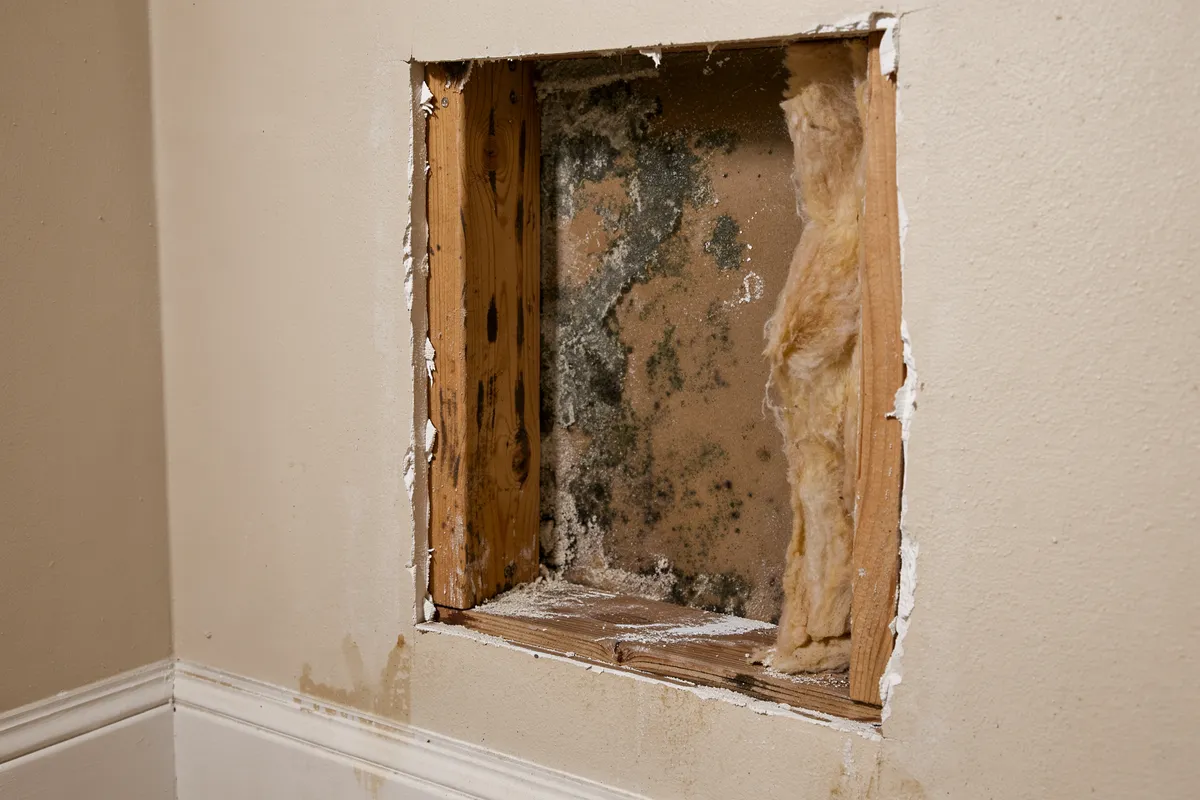
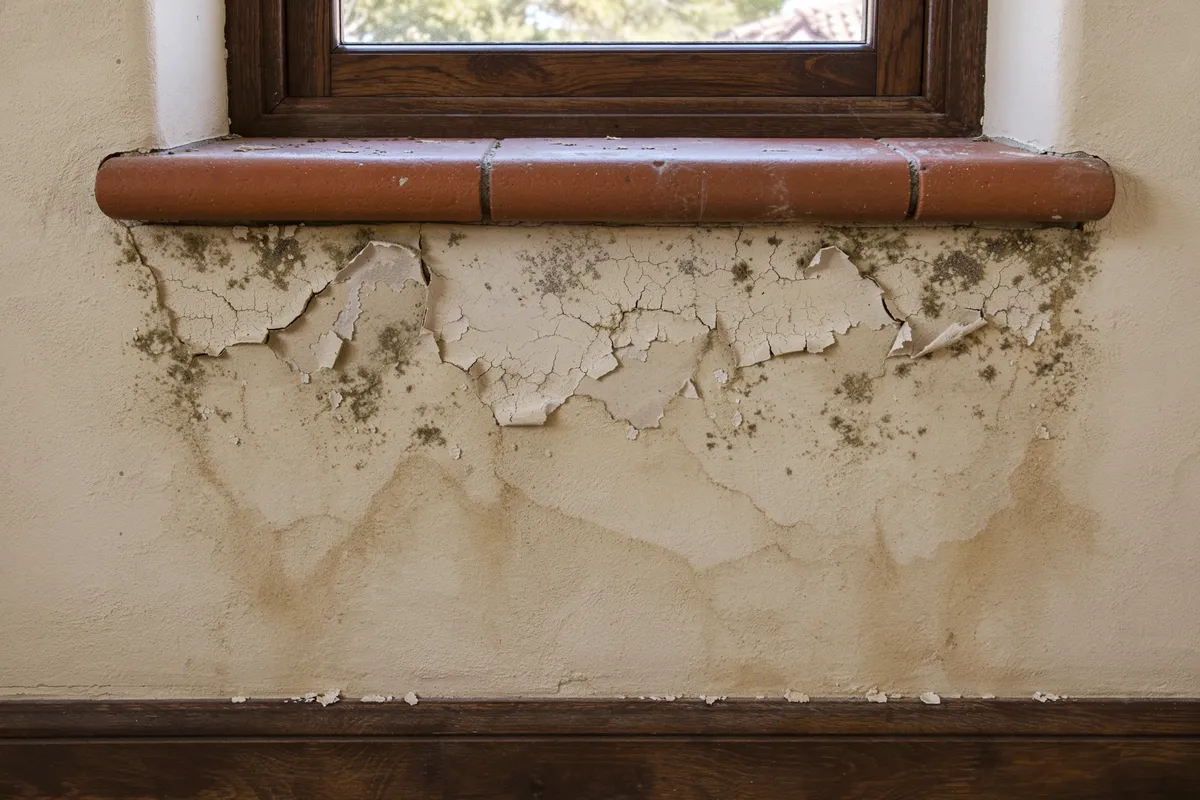
The shade of a stain does not tell you what is behind it, and CDPH says color cannot identify a mold type. What counts is how long the material has been wet and how far the damp area reaches. Once you notice any of the signs above, it is reasonable to have the wall checked soon.
Tub, shower and toilet walls
Shared bathroom walls are a frequent source. A tub spout that leaks into the wall, grout that has lost its seal, a supply stop that drips slowly or a toilet flange problem can wet the cavity daily without ever showing on the floor.
Around Sun Valley, long hot stretches keep AC systems busy, and a clogged drain line or an uninsulated duct can dampen the wall beside the air handler.
Scope, not square footage of the house
Companies price the affected area, not the size of the home. A small wet section behind a tub is much less work than a long exterior wall wet from a roof leak. The inspection finding is what sets the scope, so a clear written plan helps. Ask how they measured it.
Removal, drying and cleaning
Affected drywall and insulation are bagged and taken out, framing is cleaned, and the cavity is dried with fans and dehumidifiers until readings are normal. EPA notes porous material that stays moldy generally has to be removed, not just cleaned on the surface. A written scope and photos protect you either way.
First steps while you wait
- Shut off the water if a line is leaking
- Run a fan and open a window if the weather allows
- Keep the room cool and the AC filter clean
- Take dated photos
- Do not cut into the wall yourself
Local companies can also advise whether any fan or vent changes would help.
Who handles what in Sun Valley
Mold work in California falls under general contractor rules rather than a dedicated mold credential. Once labor and materials reach $1,000, the company needs a CSLB license, and the board's website shows whether it is current.
Rebuild work after the mold comes out, such as new drywall or framing, may need a permit; the Los Angeles Department of Building and Safety is the office for Sun Valley addresses.
For tenants, the Los Angeles Housing Department is the office that takes complaints about substandard rental conditions here; state law counts visible mold growth as one of them.
Calls from Sun Valley are often matched with companies that also cover Burbank, Sunland and Pacoima.
Mold in Walls questions in Sun Valley
How long does a wall take to dry out?
Can a stucco house have mold in the wall?
Do I need a permit to open and rebuild a wall?
What does a thermal camera show in a wall?
More mold services in Sun Valley
Mold in Walls nearby
Helpful guides
Sources
Last updated: